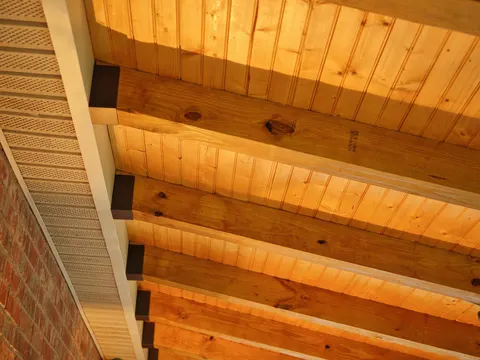
Roof Repair
Leaks, damaged decking and flashing traced and repaired.

Roofs fail at their details: a wall intersection, a valley, a balcony over living space, a porch roof that is nearly flat. JACCO plans flashing, membranes and underlayment for those spots on every roof it builds or repairs.
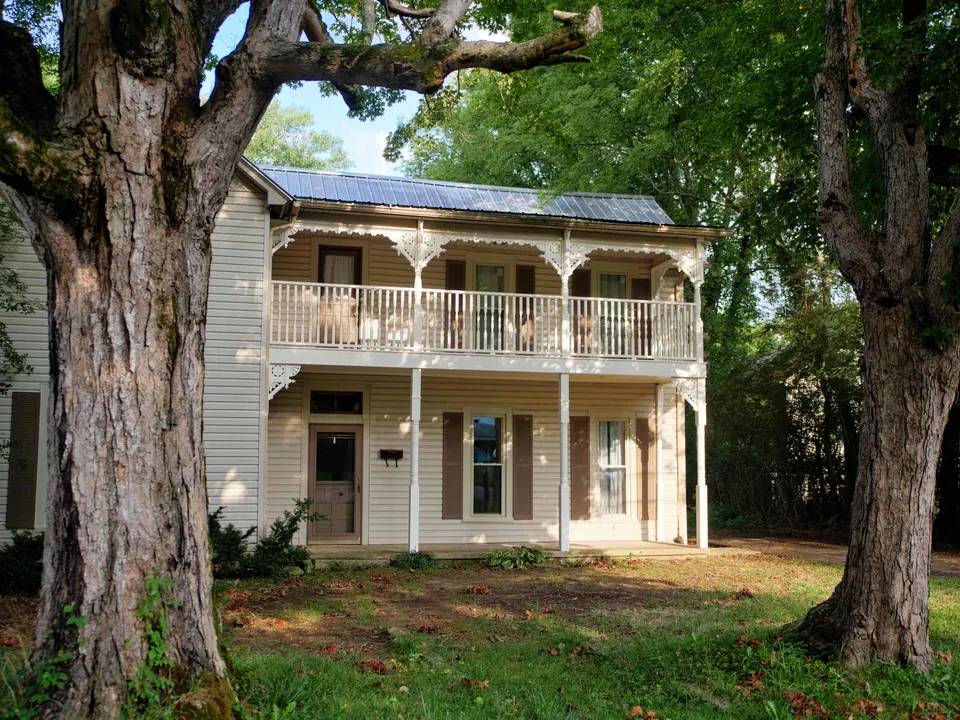
The field of a roof, the broad open stretch of shingles or metal, rarely leaks on its own. Water gets in where that surface is interrupted: where a roof meets a wall, where two slopes form a valley, around a chimney or skylight, along the bottom edge where gutters hang, and anywhere the pitch flattens out. Waterproofing is the work of making each interruption shed water as reliably as the open roof does.
On the projects JACCO builds, that means step flashing woven into the roofing where a porch roof runs along a wall; counter-flashing set into a cut mortar joint or reglet on brick; kickout flashing where a roof edge dies into a sidewall, steering water away from the siding below; and self-adhered membrane in valleys and on low-slope sections. Each detail is chosen for the specific joint, not improvised on the day.
Low-slope roofs need extra care. A porch roof tucked under second-story windows, a shed-roof addition or a balcony that doubles as the roof of the room below cannot rely on gravity the way a steep roof can. Those areas get a membrane system suited to the pitch, carefully detailed edges and drains, and enough slope to keep water moving. If you are planning a deck or balcony above finished space, this is the detail to get right.
These are the details we plan into new roofs and correct during repairs. Each addresses a specific place where water tends to find its way inside.
Every lap is set so upper layers overlap lower ones, the way shingles do. Flashing tucks under the wall’s weather barrier and over the roofing below, so water moving down the roof never meets an edge it can slip behind.
Brick walls and chimneys cannot hide flashing behind siding. They get counter-flashing let into a mortar joint or reglet and lapped over the step flashing, instead of a surface bead of caulk that will eventually open up.
Flashing and membranes are installed and checked before roofing, siding or trim conceals them. Once a detail is buried, the only way to see it again is to take the finish apart, so it is reviewed while it is still visible.
Site visit, measurements and a written bid tied to a clear scope of work.
Selections settled, materials lined up, a detailed schedule, and a protected, clean home while we build.
We walk the finished work with you and close the project when every item on the list is done.
Roofing is the visible surface: shingles, metal panels or a membrane. Waterproofing is the system of underlayment, flashing and sealed transitions beneath and around that surface, keeping water out wherever it is interrupted. A brand-new roof installed over poor flashing can still leak, and a sound roof can leak at a single failed detail, so we look at both whenever we build or repair a roof.
Yes, as long as it is built as a low-slope roof rather than a shingled roof with too little pitch. Shingles depend on gravity and need a minimum slope; below that, a membrane system designed for low slopes is the right surface. The edges, the wall flashing and the drainage keep that membrane dry over time, so they get as much attention as the membrane itself.
That joint is one of the most common leak points on any home. If step flashing was skipped, cut short or never tucked behind the siding, water runs down the wall and into the framing. A missing kickout flashing at the bottom of the joint can send water behind the siding or trim below, where it rots wood out of sight. We open the joint, correct the flashing and repair any damaged framing before closing it up.
Yes. Flashing, underlayment and membrane details are planned into every addition, porch and pavilion roof JACCO frames, because they cannot be added properly once the roofing is on. On repairs, we correct the details we find at fault rather than sealing over them, and the written scope names each one so you know exactly what is being built into your roof.
Leaks, damaged decking and flashing traced and repaired.
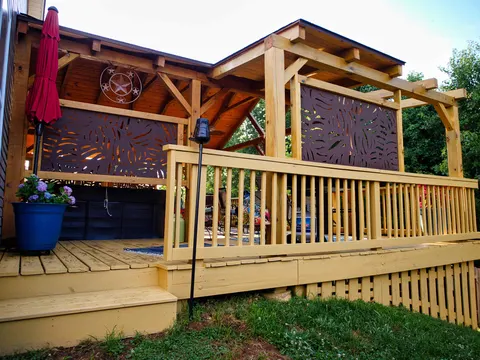
Roofs for additions and porches, and replacement roofing.
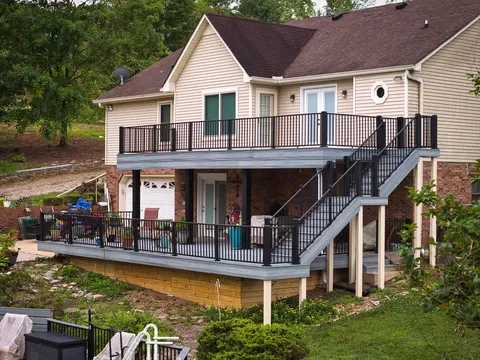
Multi-level composite and wood decks, stairs and railings.
Chimney, crown and fireplace surround repairs.
Jonathon will follow up personally to schedule a visit. The first consultation is complimentary.