Special Projects
The one-of-a-kind requests: cabins, staircases and custom builds.

Staircases and railings, painted built-ins, porch brackets and spindles, and exposed timber framing, measured, scribed and fitted to your house by carpenters who care how a joint looks up close.
Most of a house is assembled from standard parts. Carpentry is where it stops being standard: the newel post you grab every morning, the cabinet built into the wall beside the fireplace, the porch brackets that make an old farmhouse read as Victorian from the street. Pieces like these are measured on site and fitted to walls that are never perfectly square, which is why they call for a carpenter rather than an installer.
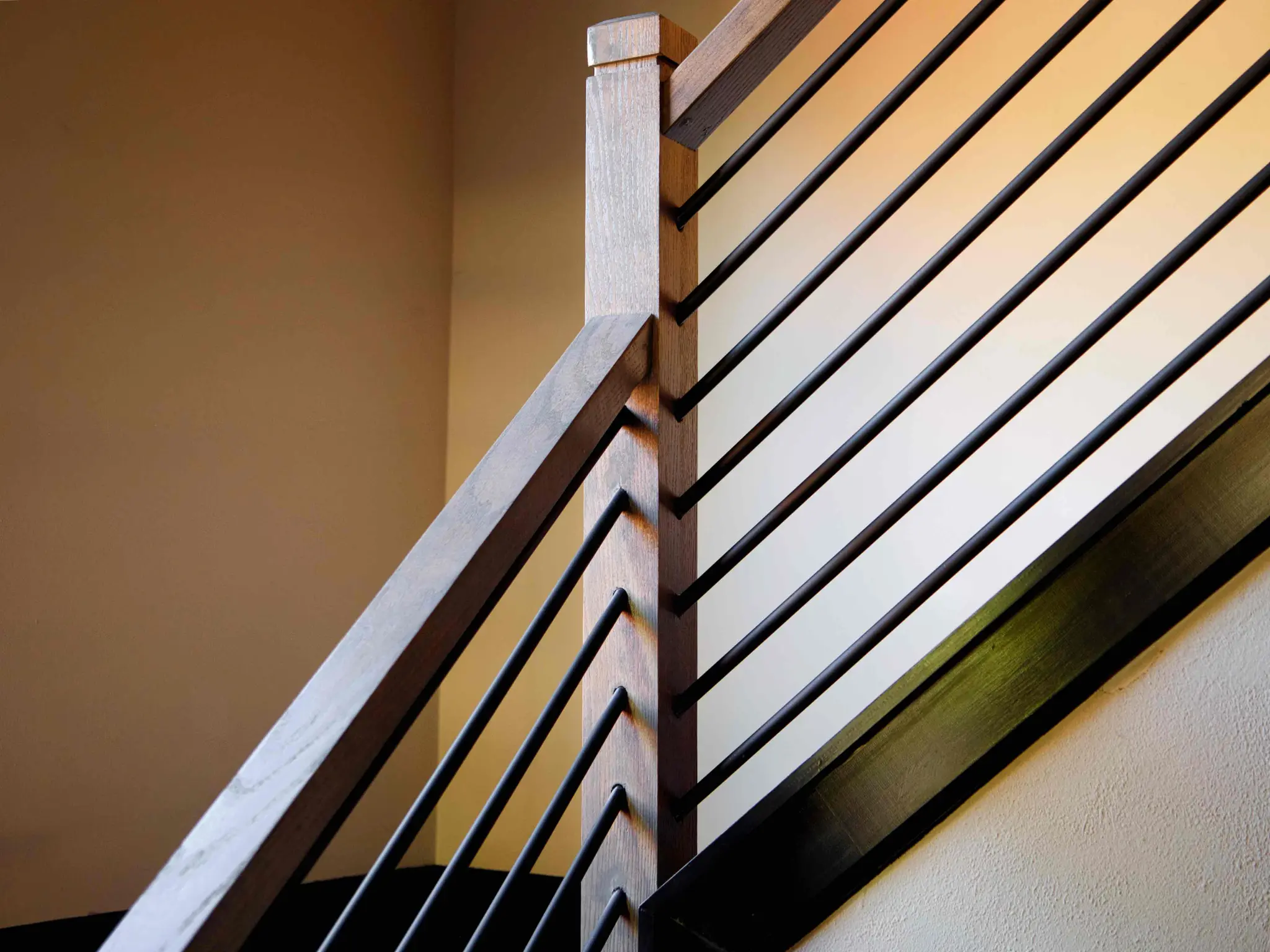
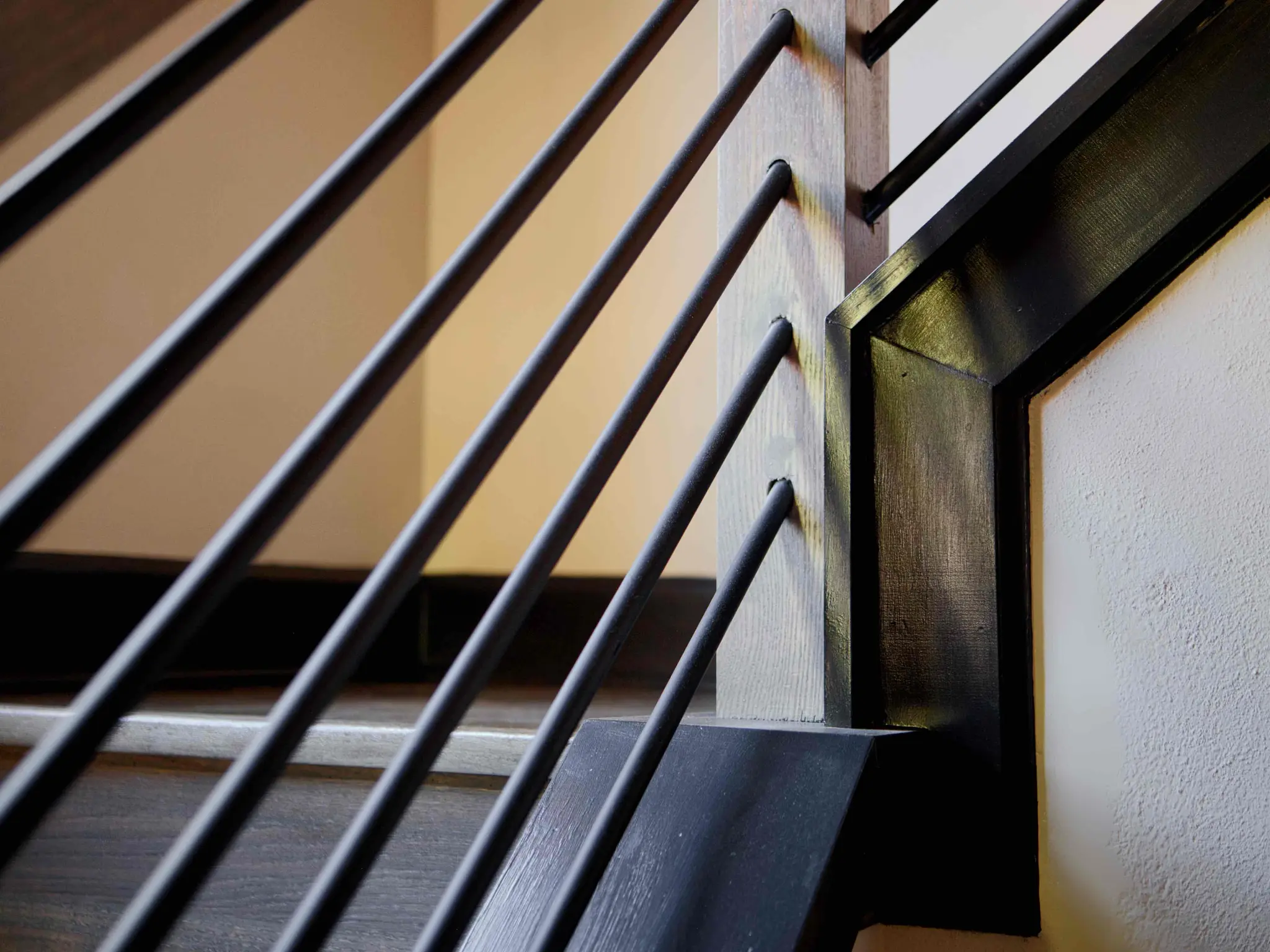
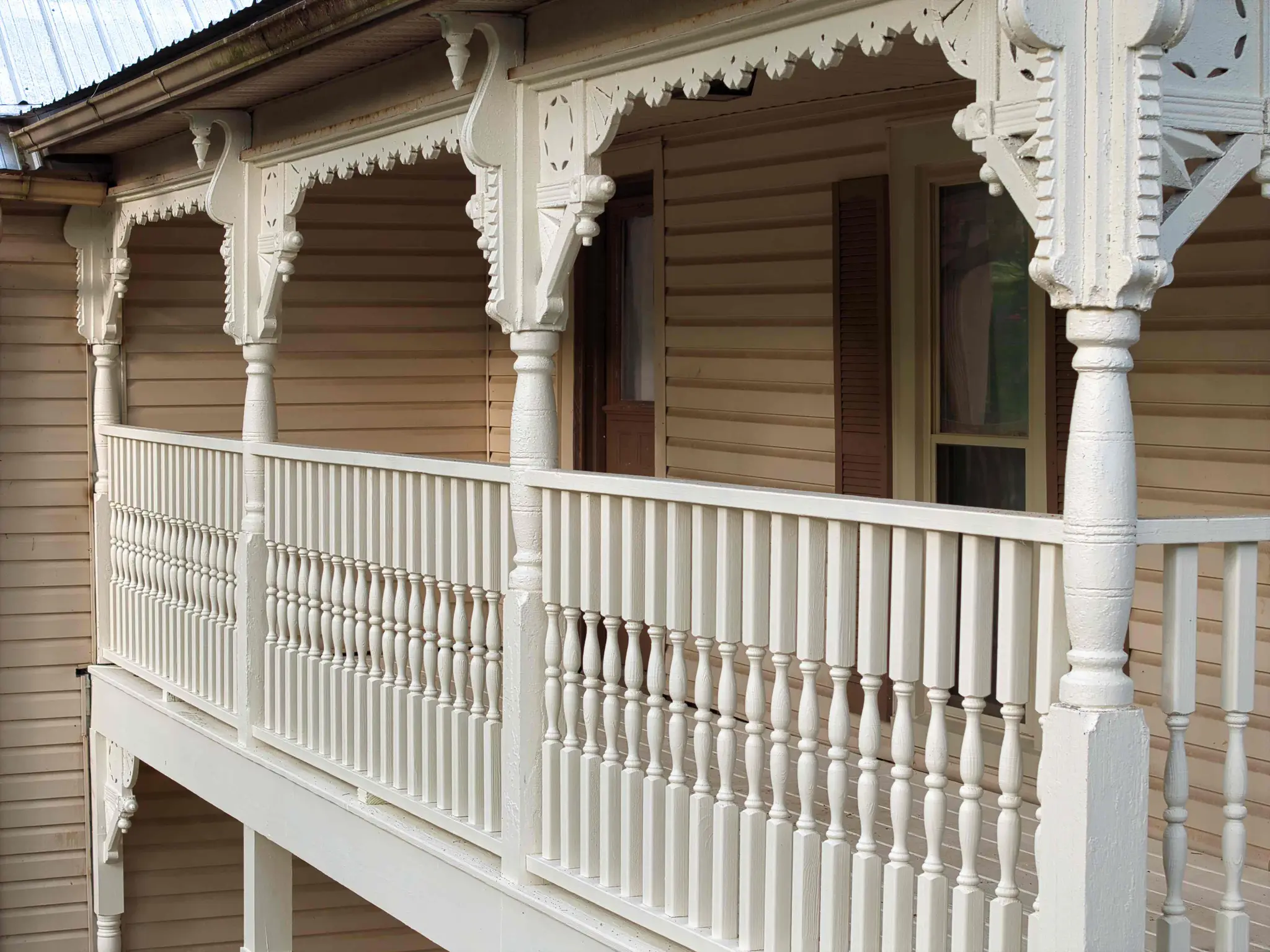
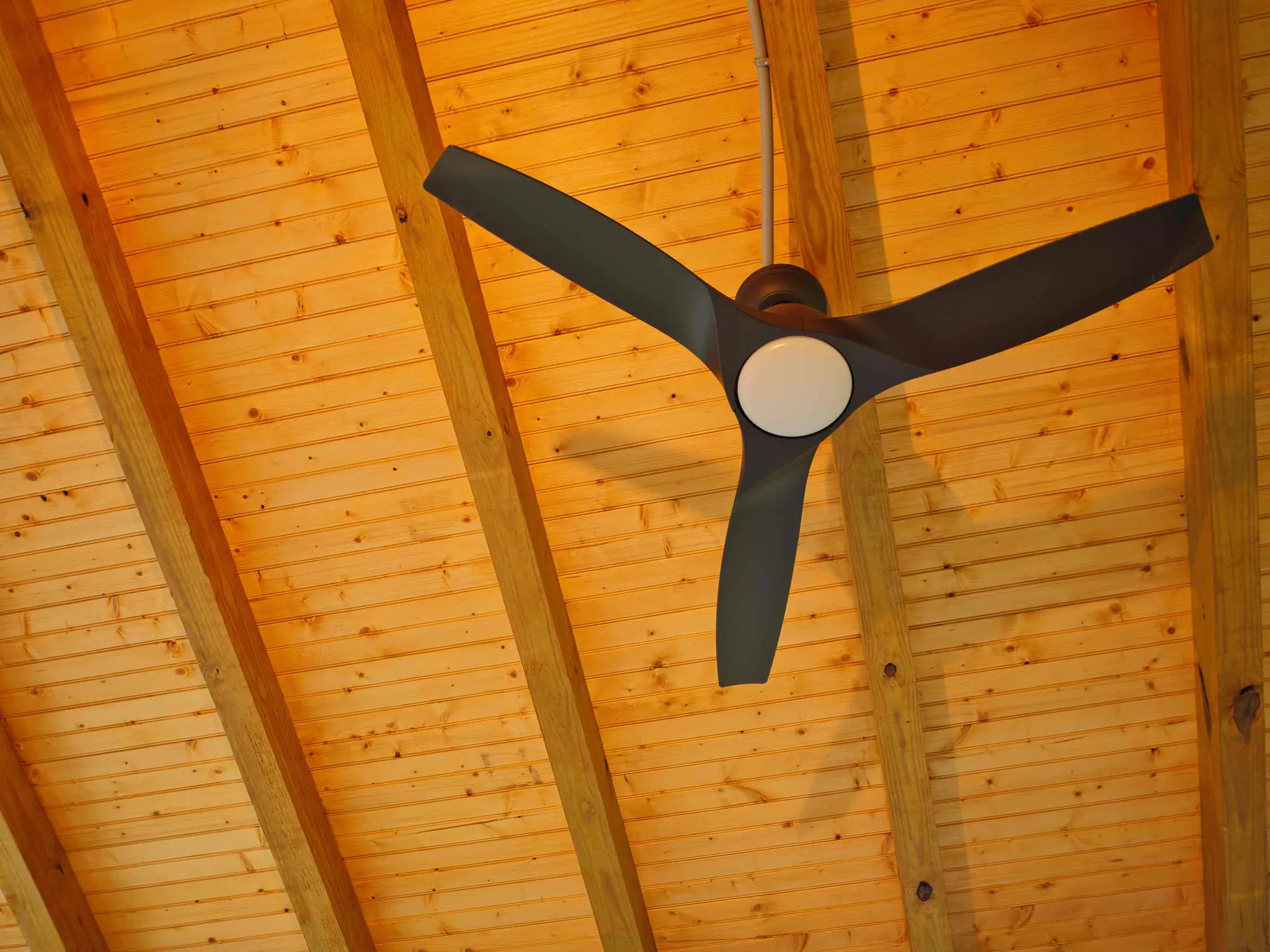
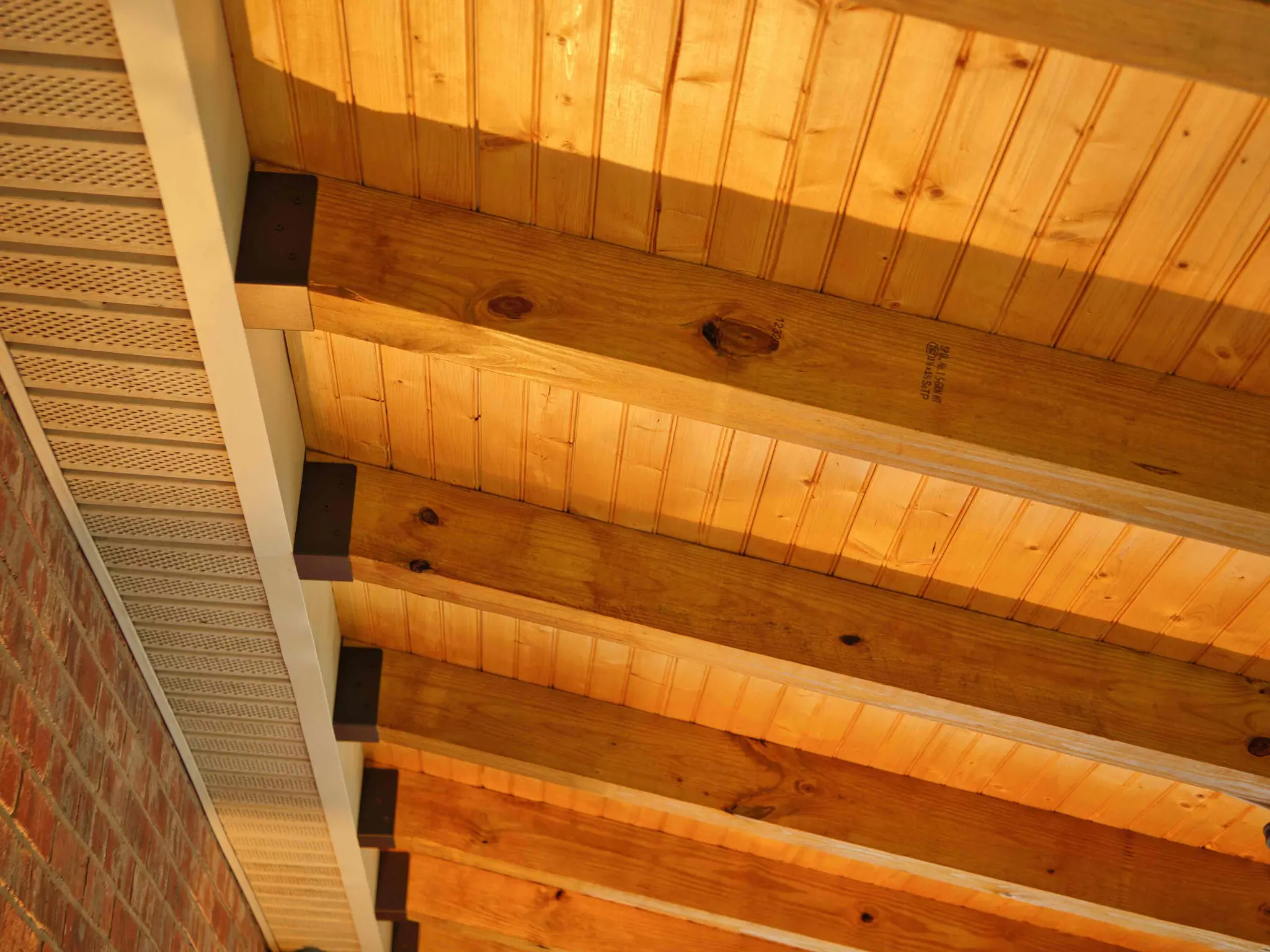
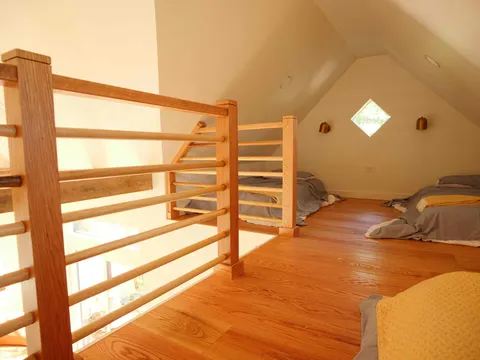
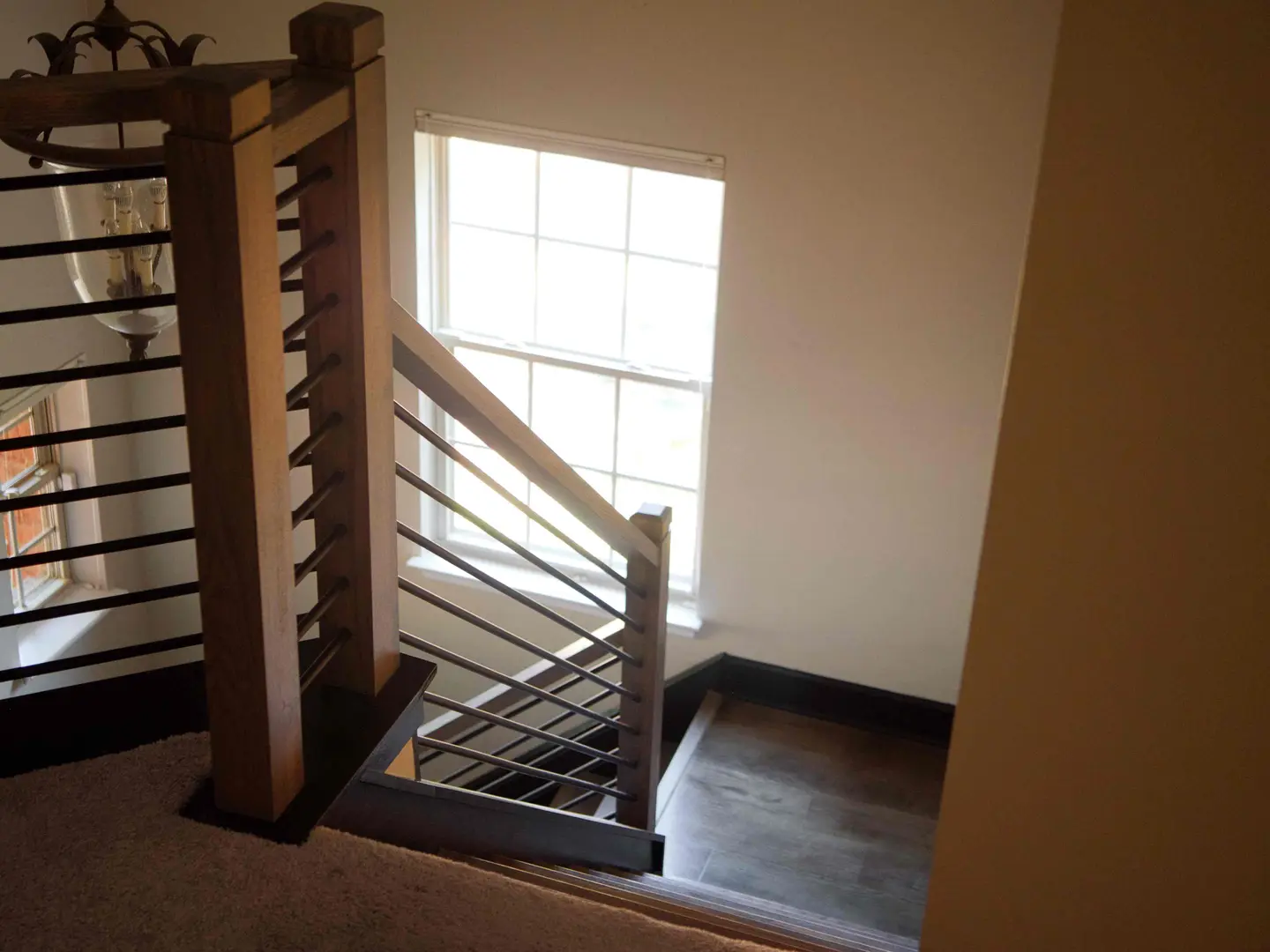
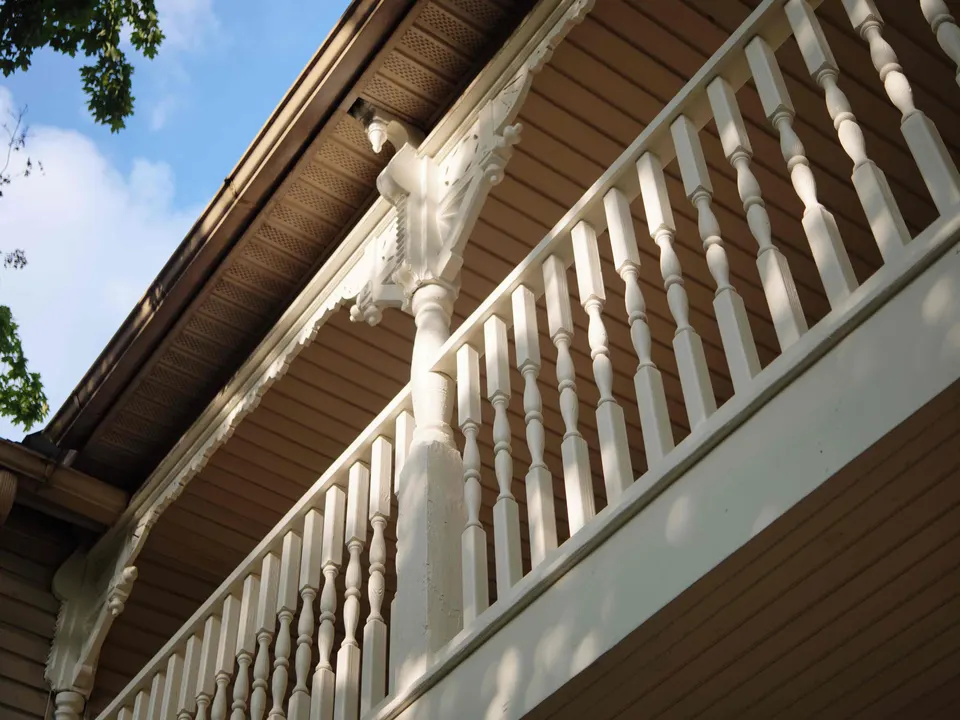
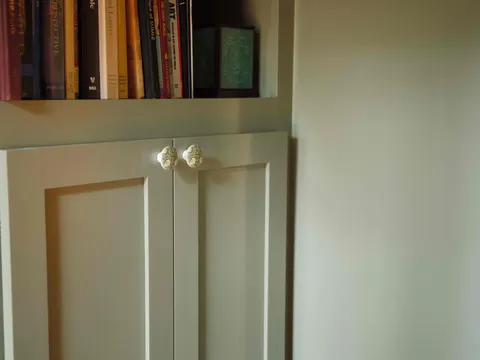
JACCO’s carpentry spans rough framing and fine finish work. In one home, a staircase pairs a stained wood newel and handrail with horizontal black metal balusters. On a farmhouse, a restored double porch shows off turned spindle railings, carved brackets and gingerbread trim. Elsewhere, a sage-green cabinet with a bookshelf above was built into a room, a cabin loft received a handcrafted wood railing, and covered decks were framed in heavy timber with exposed knee braces.
Because JACCO is a general contractor, the carpentry can reach past the trim. Walls can be opened for a built-in, a stair can be reframed before new treads go on, and structural framing can be designed to stay on display. Many of these pieces turn up in our special projects, and stair work often goes hand in hand with hardwood treads and flooring.
Some projects are a single staircase; others touch every room. These are the pieces of finish and structural carpentry homeowners ask us about most.
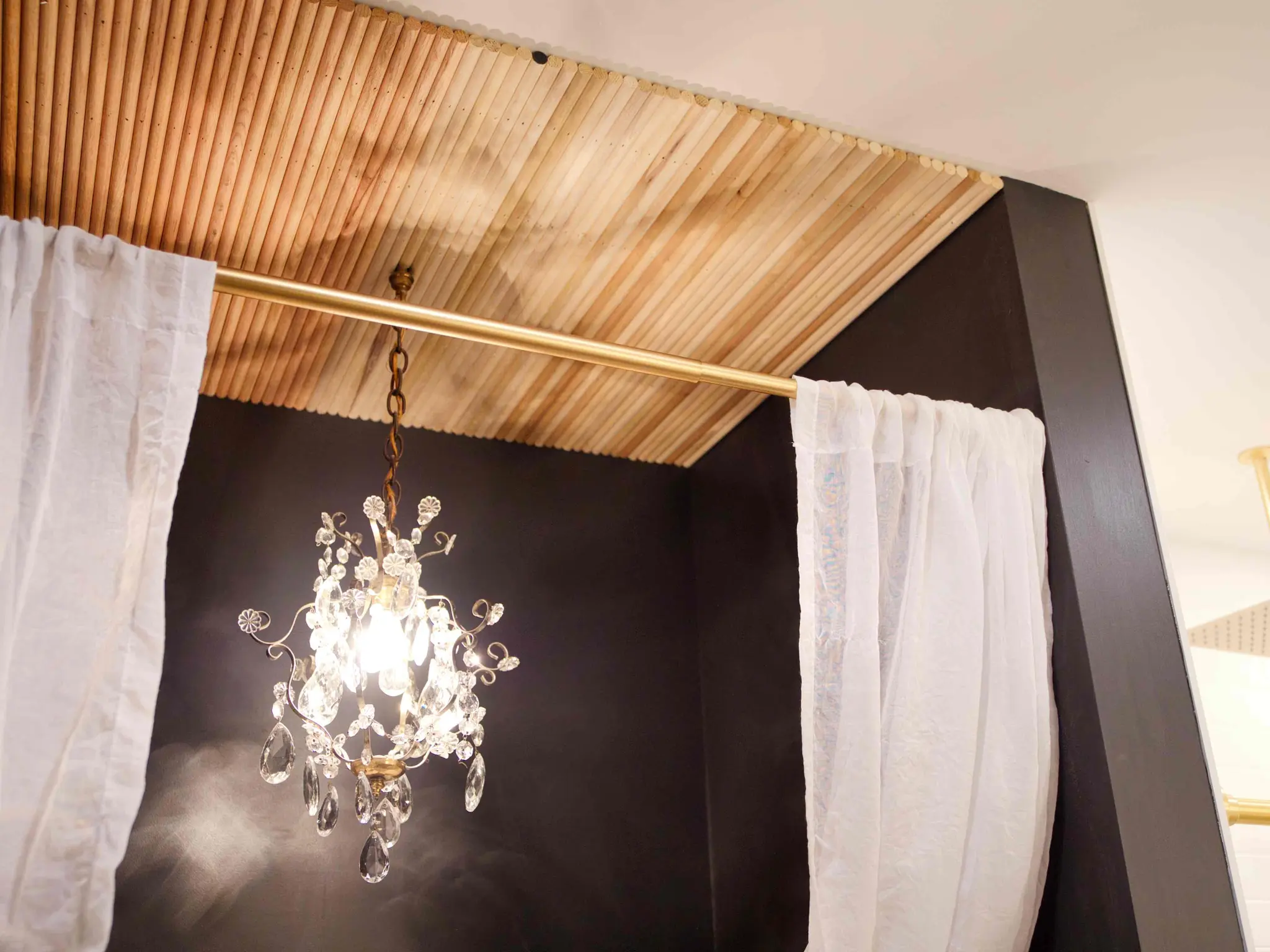
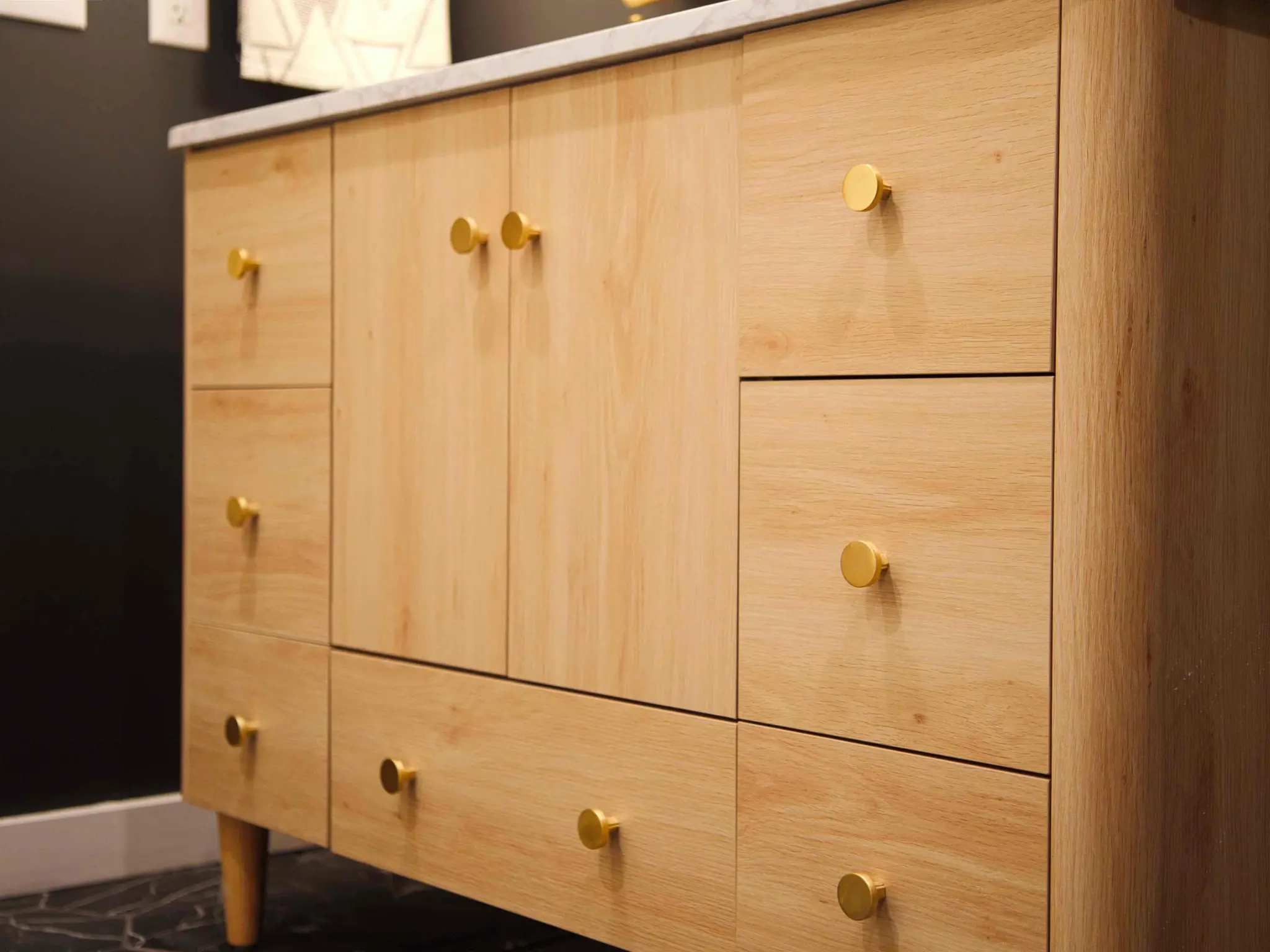
Close-ups of the stair parts, ceilings, shelving and trim that give these rooms their character.
Old and new houses alike have walls that lean and floors that dip. Built-ins, trim and railings are scribed and shimmed to the actual surfaces, so gaps disappear instead of being filled with caulk.
A Victorian porch, a 1970s ranch and a new farmhouse each call for different profiles. We match existing trim where it survives and choose details that look original where it does not.
A wobbly newel or a bouncy stair usually has a framing problem underneath. We correct blocking, stringers and structure first, so the finished piece feels solid every time someone takes hold of it.
“Their quality of workmanship presented a beautiful end result, especially the fireplace surround and custom stair railing.”
Site visit, measurements and a written bid tied to a clear scope of work.
Selections settled, materials lined up, a detailed schedule, and a protected, clean home while we build.
We walk the finished work with you and close the project when every item on the list is done.
In most cases, yes. Many standard profiles are still available, and where a molding is no longer made, a close match can often be built up from stock pieces or milled to the original profile. Matching the paint or stain is the other half of the job. We photograph or sample the existing trim during the site visit and show you how the new work will blend before it is installed.
Yes. Swapping wood spindles for metal balusters, replacing a handrail or adding a new newel post is a common way to update a staircase without rebuilding it. Solid attachment is the key: newels have to be anchored into the framing and balusters secured top and bottom, so the railing meets code and feels rigid. We check the stair structure first and price any repairs it needs.
Yes. Built-in cabinets, bookshelves, window seats, benches and mudroom storage can be designed for a specific wall, alcove or space under the stairs, then painted or stained to suit the room. Because they attach to the structure, we confirm the framing, wiring and any vents behind the wall before the design is final. Built-ins can stand alone as a project or join a larger remodel.
Materials, complexity and finish drive most of the price. Paint-grade poplar or MDF costs less than stain-grade hardwood, curved or turned parts take longer than straight runs, and any change to the structure behind the work, such as reframing a stair or opening a wall, adds labor. JACCO prices from a written scope once the design and materials are agreed, so the number reflects exactly what is being built.
Often, yes. Damaged brackets, spindles and corbels can sometimes be repaired with epoxy and new wood, and pieces beyond saving can be reproduced to match the originals. Rot is usually a sign that water is getting in, so we look at flashing, gutters and paint as part of the repair instead of replacing trim that would decay again. Fresh paint over properly primed wood finishes the job.
The one-of-a-kind requests: cabins, staircases and custom builds.
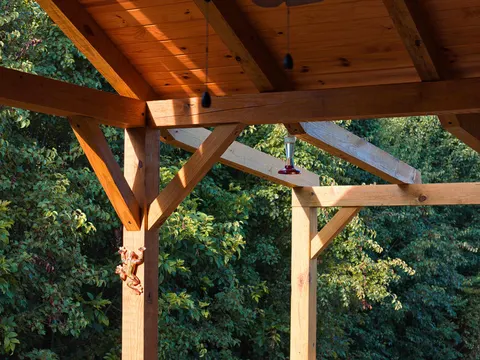
Structural framing for additions, porches, walls and roof lines.
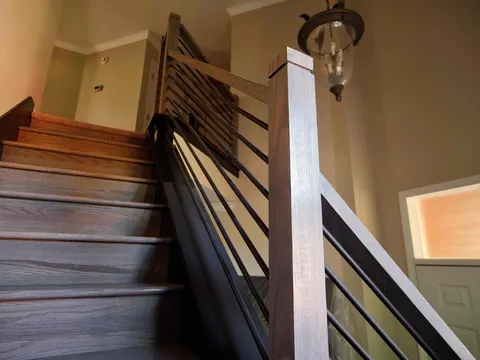
New hardwood installed, matched and finished to suit the home.
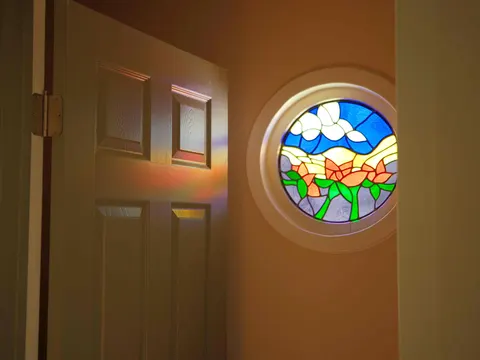
Interior and exterior doors installed, replaced and trimmed out.
Jonathon will follow up personally to schedule a visit. The first consultation is complimentary.