Kitchen Remodeling
Cabinetry, stone and layout changes that open the room up.

Quartz, granite, butcher-block and concrete tops for kitchens, islands and vanities, templated from the finished cabinets, supported where they overhang and fitted with clean seams and sink cutouts.
A countertop is one of the last things installed in a kitchen and one of the first things anyone touches. By the time the slab is delivered, nearly every detail that matters has been settled: whether the cabinets are level and square, where the seams fall, how far the island overhangs, which sink and faucet are going in and where the cooktop sits. Get those right and installation day is uneventful; miss one and the flaw stays visible for as long as the top is in place.
That is why JACCO treats the countertop as part of the cabinet work rather than a separate purchase. Cabinets are set level and shimmed tight before anyone measures. Stone and quartz are templated from the installed boxes, so the slab is cut to the real walls instead of to a drawing. Seam locations are agreed with you in advance, island overhangs get concealed support where the span calls for it, and the sink and faucet are on site so every cutout matches.
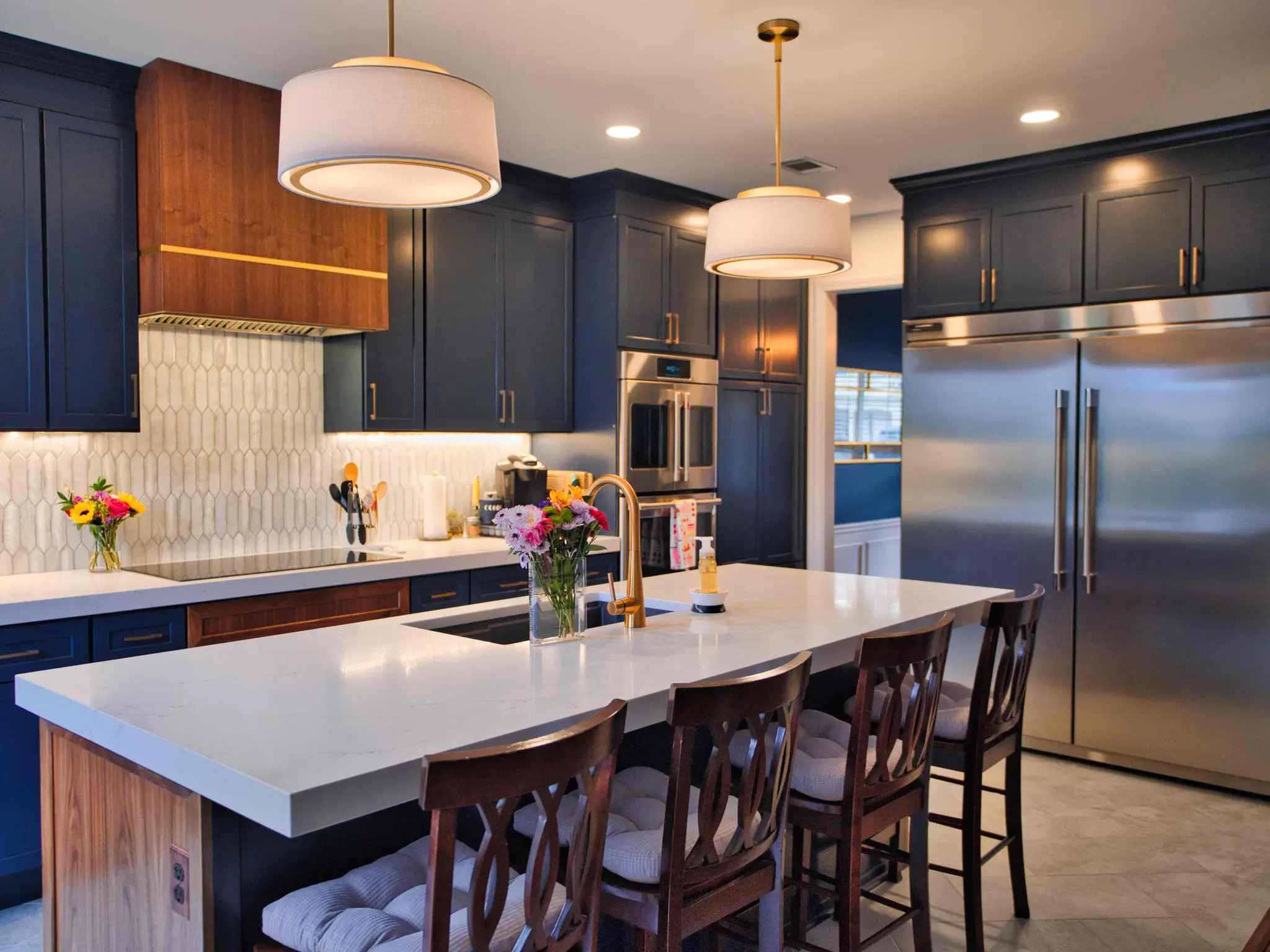
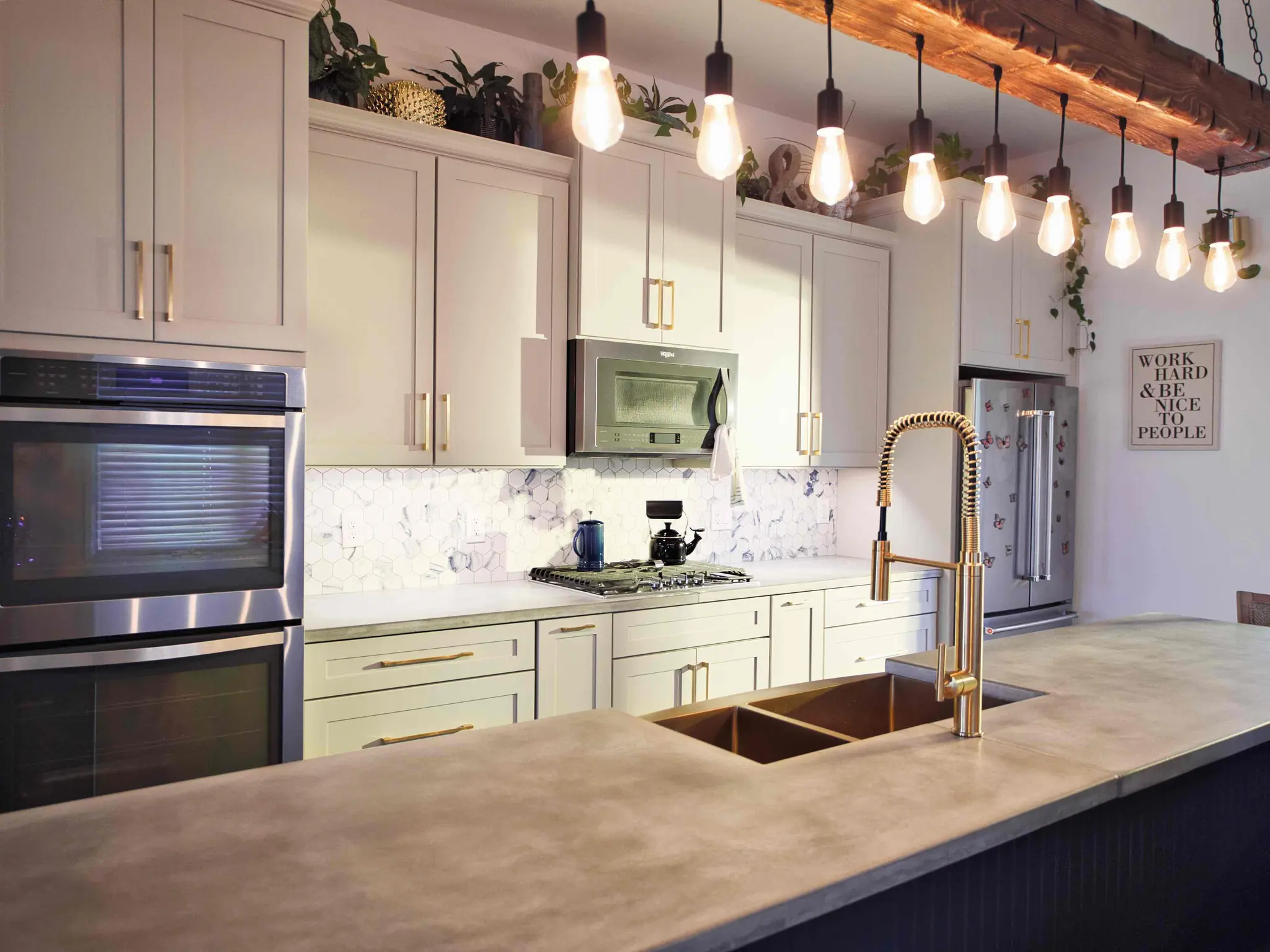
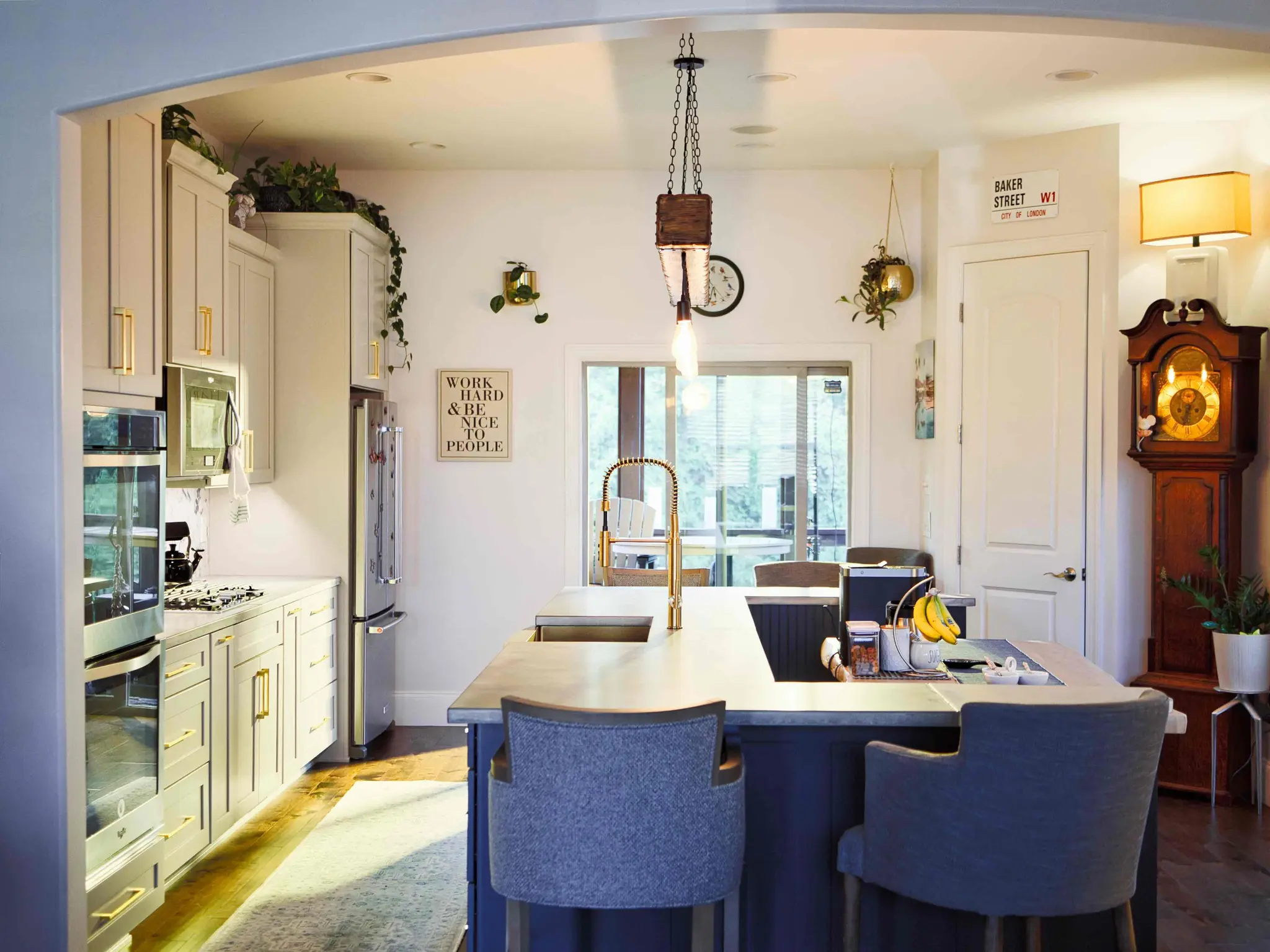
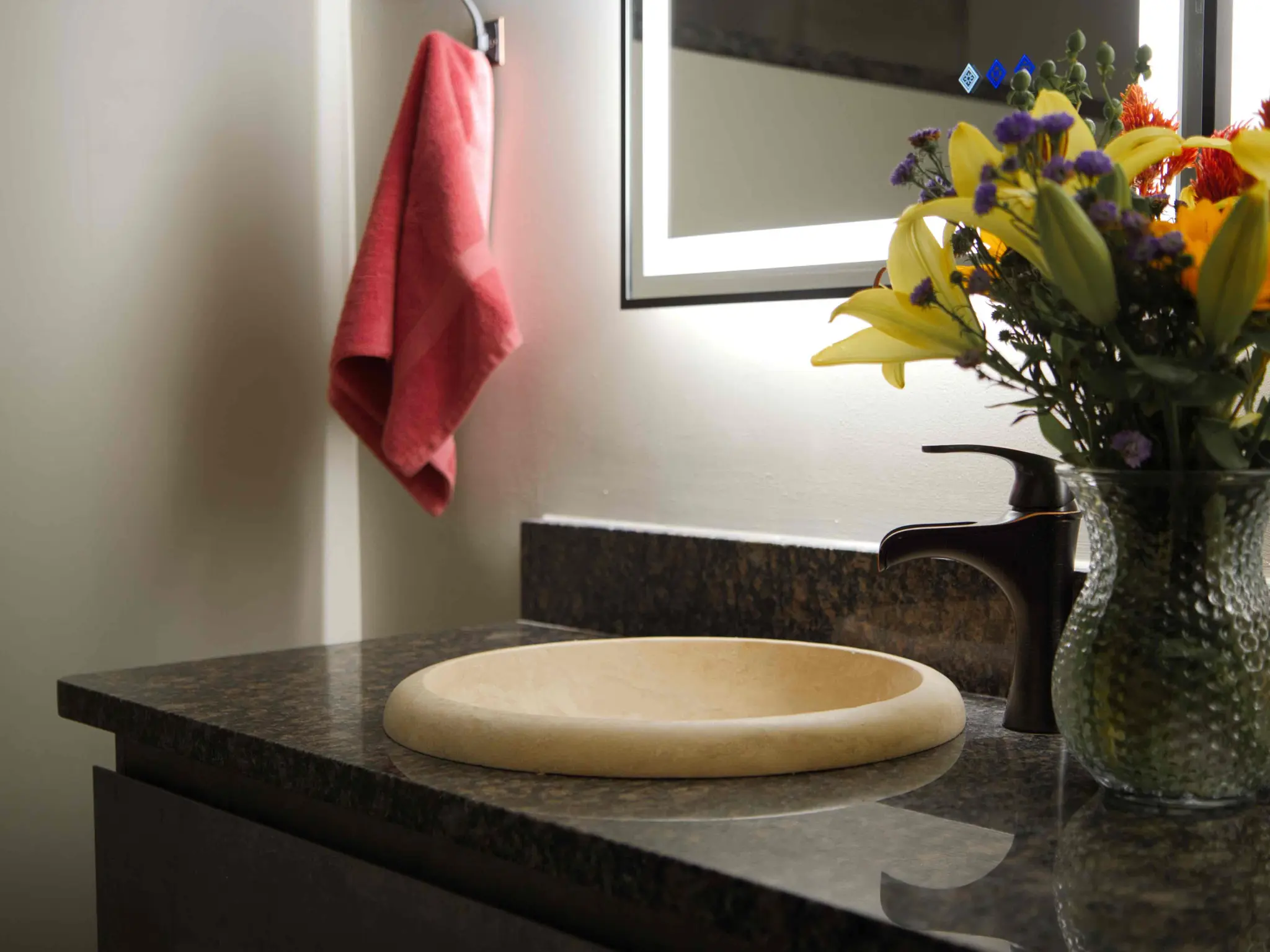
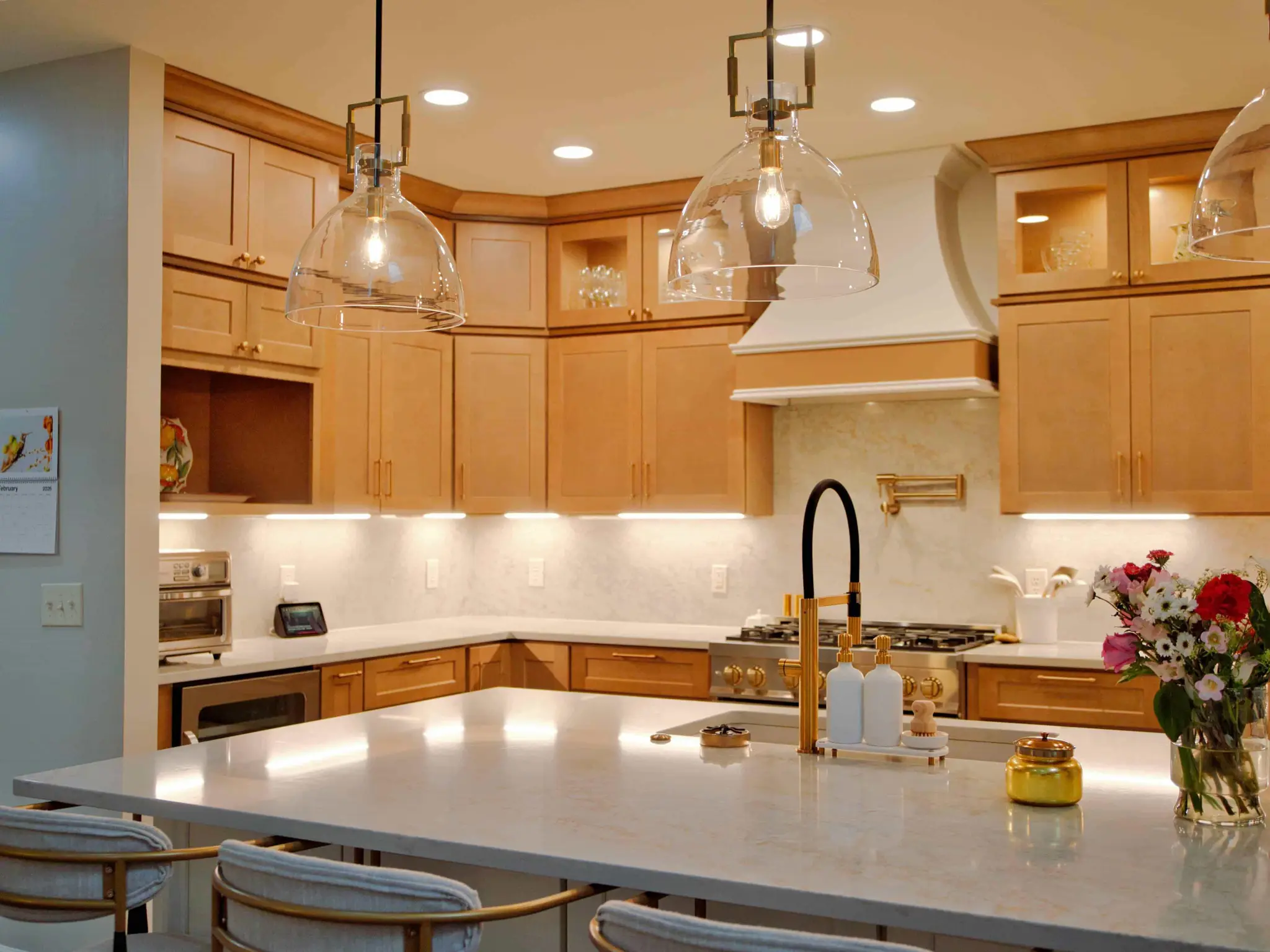
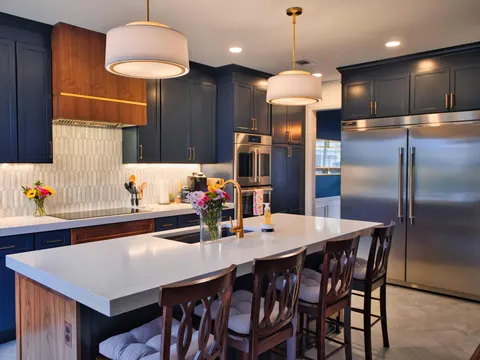
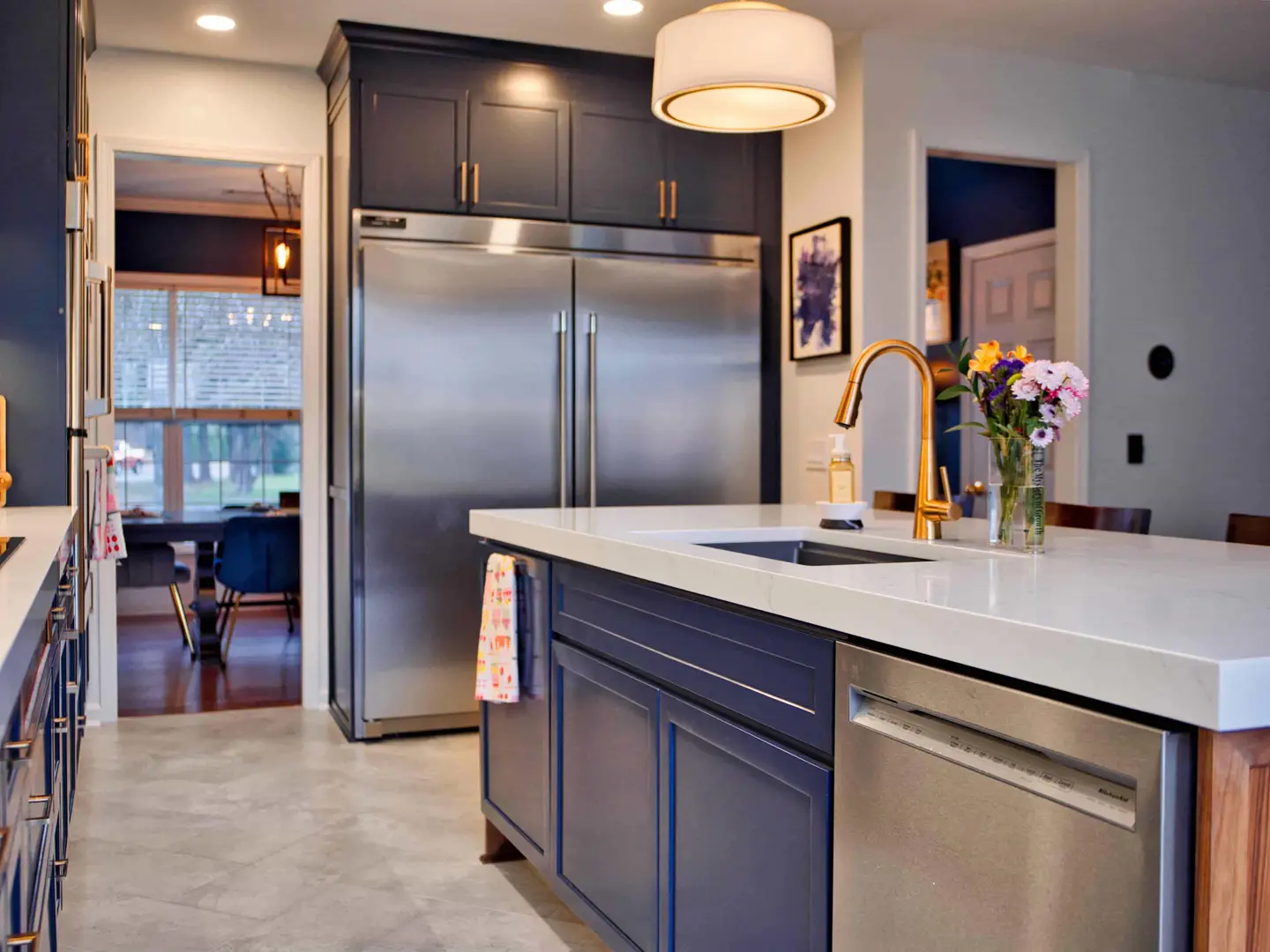
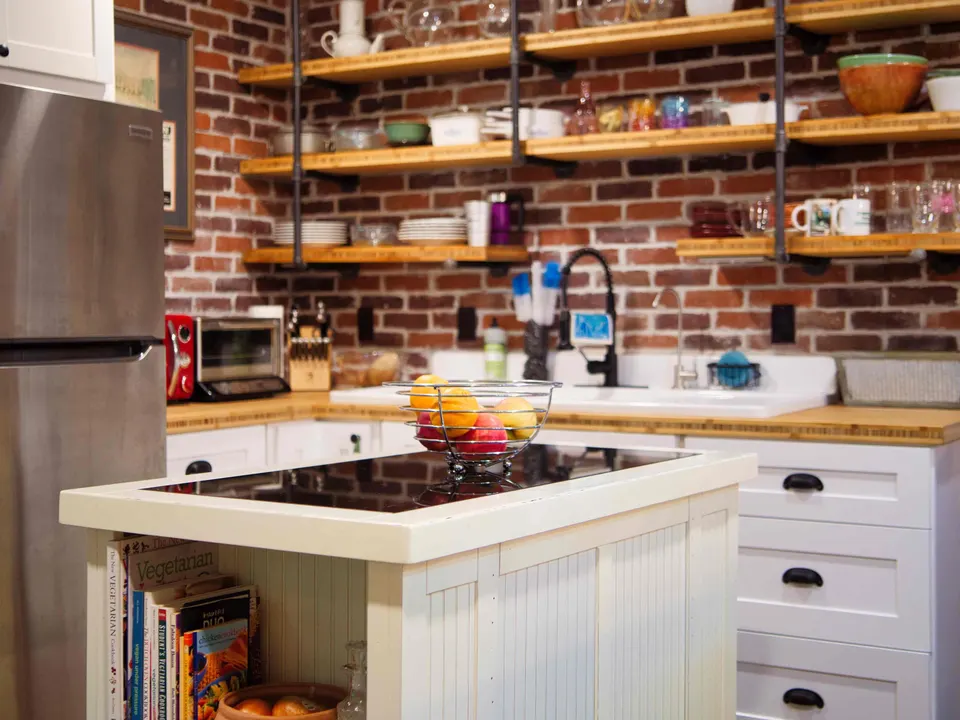
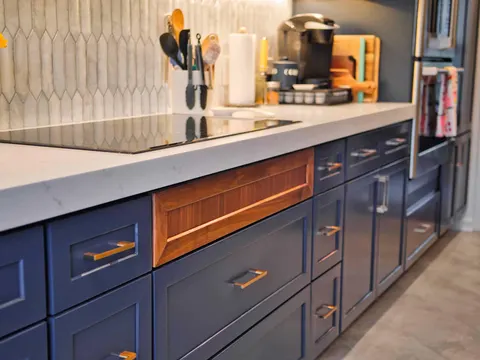
JACCO’s kitchens and baths show the range. White quartz tops a navy island with a brass faucet; butcher-block counters run beside an exposed brick wall and pipe shelving; poured concrete counters frame a copper sink under Edison-bulb pendants; dark granite carries a stone vessel sink in a bathroom. New tops usually arrive as one stage of a kitchen remodel or a bathroom vanity update, with sink and faucet hookups coordinated through our plumbing work.
Whether it is a single vanity top or a kitchen with an island, these are the pieces that go into getting a countertop right.
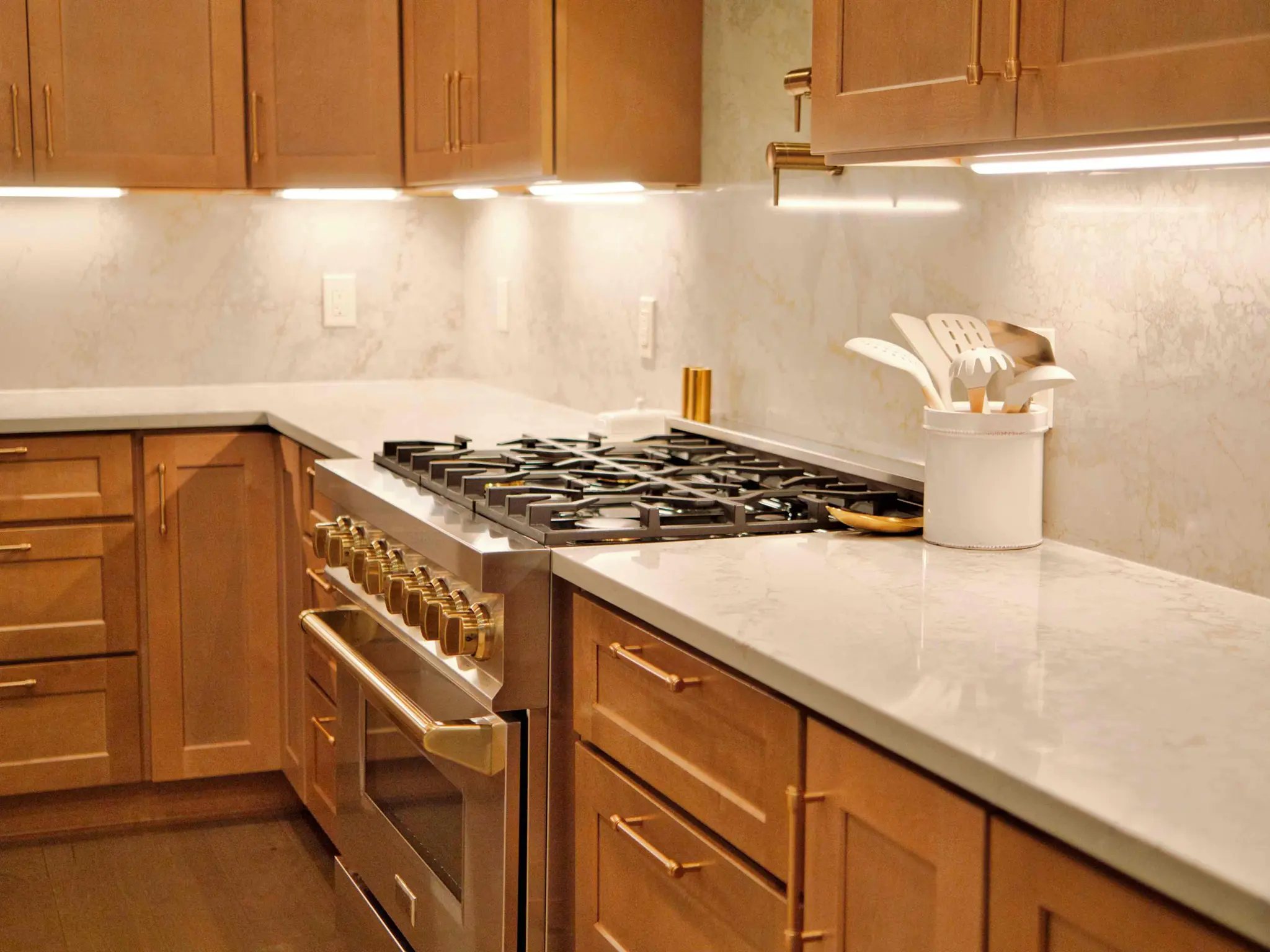
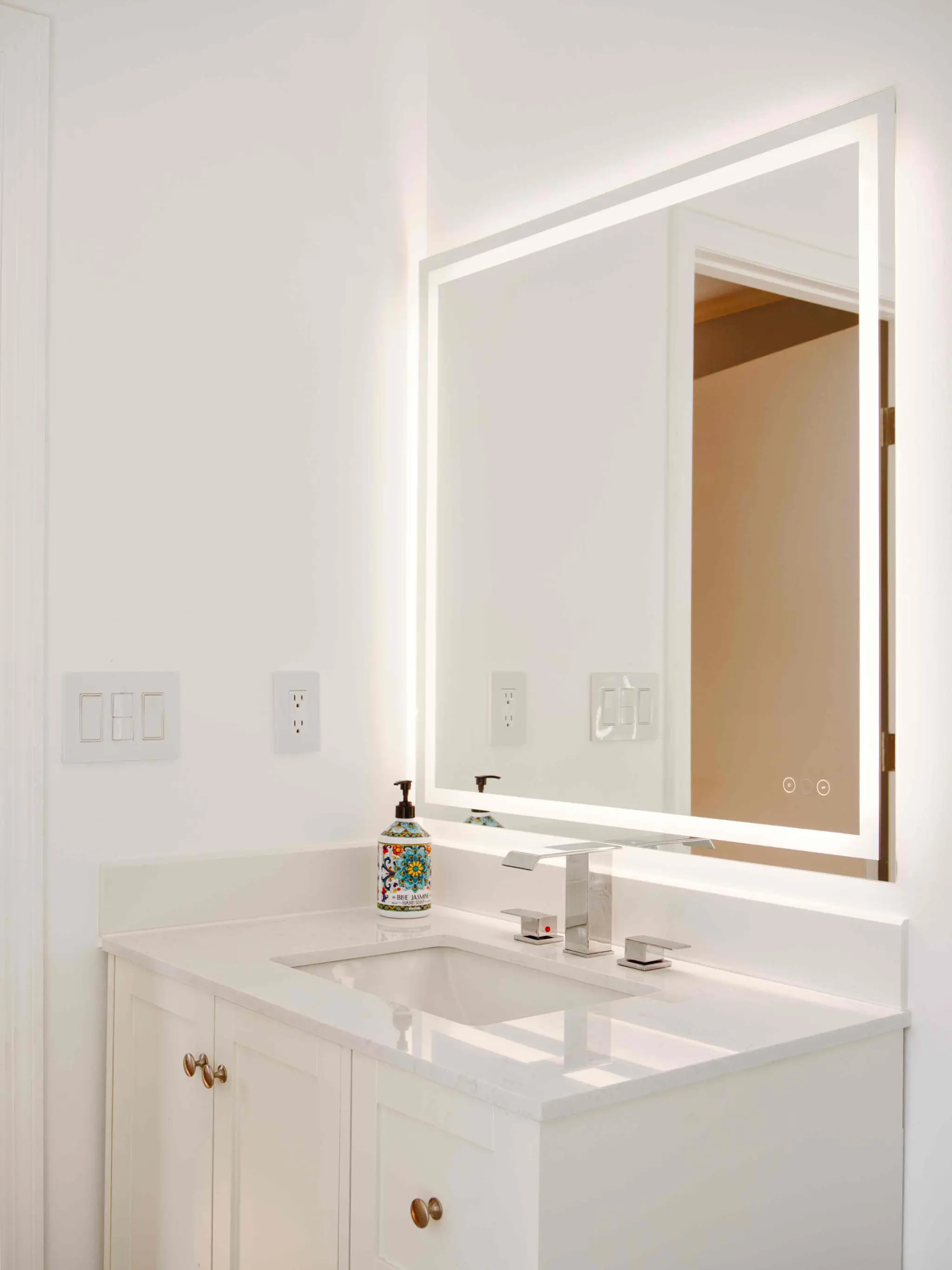
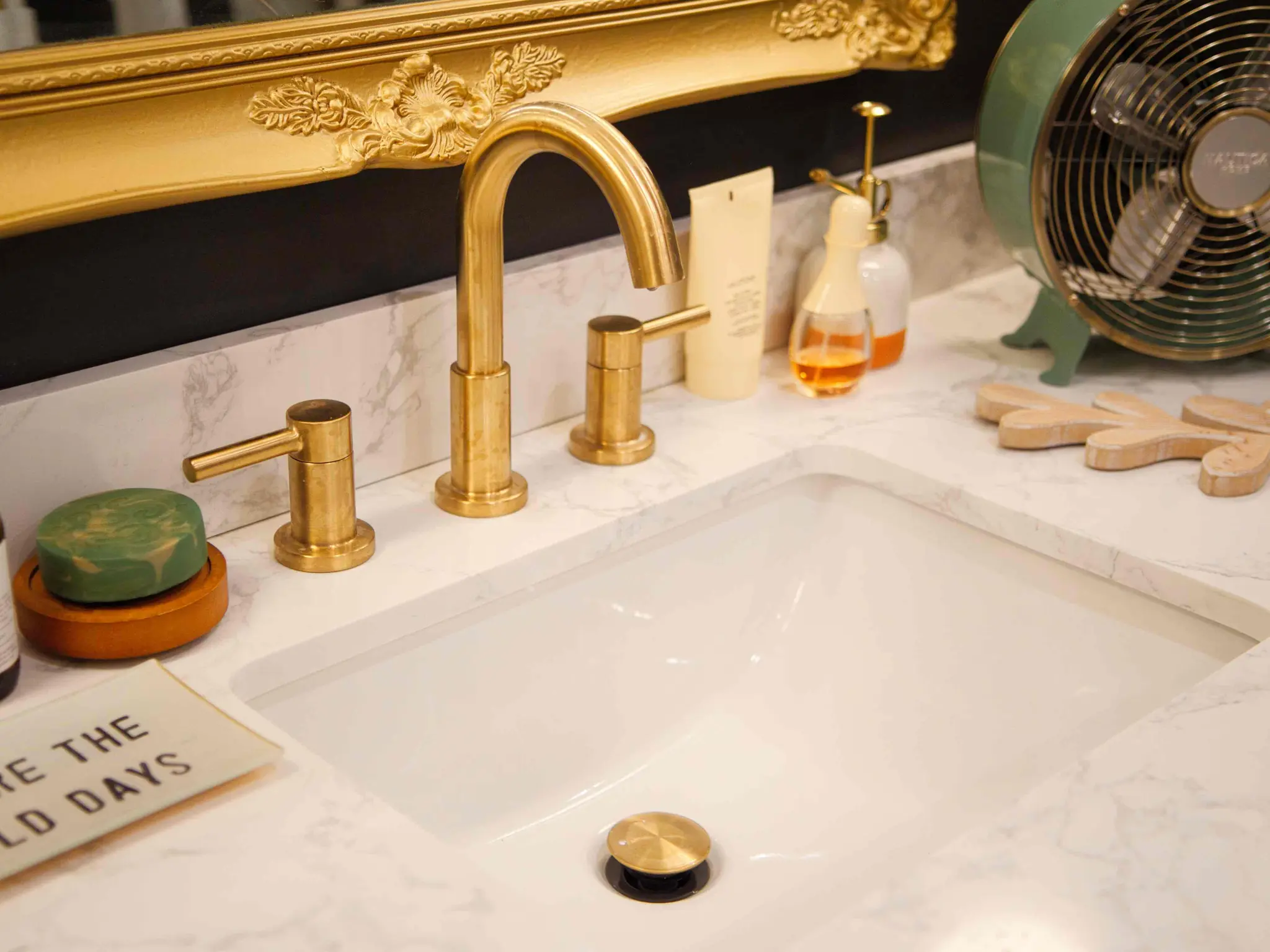
Quartz, concrete, granite and marble-look tops from JACCO remodels, with the sinks and faucets fitted to them.
A top can only be as flat as the boxes beneath it. Cabinets are leveled, shimmed and fastened before the template is made, so stone sits flat without the stress points that can crack it later.
Larger kitchens often need seams. We show you where they will fall before fabrication, keep them clear of sinks and cooktops where possible, and make sure they are tight and color-matched.
Seating overhangs, cantilevered ends and heavy stone over open bases need hidden brackets or framing. That support is planned with the cabinet layout rather than discovered on installation day.
“They provide a detailed schedule of what would be done and which day. Work was completed when he said it would be done.”
Site visit, measurements and a written bid tied to a clear scope of work.
Selections settled, materials lined up, a detailed schedule, and a protected, clean home while we build.
We walk the finished work with you and close the project when every item on the list is done.
Both are durable, so the choice usually comes down to appearance and upkeep. Quartz is made from crushed stone bound with resin, giving consistent color and pattern; it needs no sealing and resists stains, though very high heat can damage it. Granite is natural stone with one-of-a-kind patterns, handles heat well and needs periodic sealing. We help you compare slabs and samples before the bid is final.
They can be, with the right expectations. Butcher block is warm and easy to repair, but it needs regular oiling and care around the sink, where standing water can stain or warp it. Concrete can be shaped and tinted in ways stone cannot, yet it has to be sealed and will develop a patina and fine hairline cracks over time. Both appear in JACCO kitchens, and we talk through upkeep before you commit.
Once the cabinets are set and the template is made, the slabs are cut to match, including sink and cooktop cutouts and the edge profile you chose. Depending on the scope, the kitchen may stay partly usable with temporary surfaces in the meantime. Fabrication time varies with the material and the shop’s workload, so we confirm it when the template is made and build the rest of the schedule around it.
Often, yes, if the cabinets are sound, level and sturdy enough for the new material. Stone and quartz are heavy, so older boxes may need reinforcement, and a change in sink style can require cabinet modifications. Pulling off the old top can also damage the backsplash or the wall behind it. We check the cabinets during the site visit and put any reinforcement or repair in the written scope.
The material and the amount of fabrication drive most of the cost. Stone and quartz vary widely from slab to slab, multiple cutouts and decorative edges add shop time, and thicker or mitered edges cost more than a standard profile. Removing old tops, reinforcing cabinets, supporting overhangs and adding a backsplash also play a part. JACCO prices from a written scope once the material and layout are chosen.
Cabinetry, stone and layout changes that open the room up.
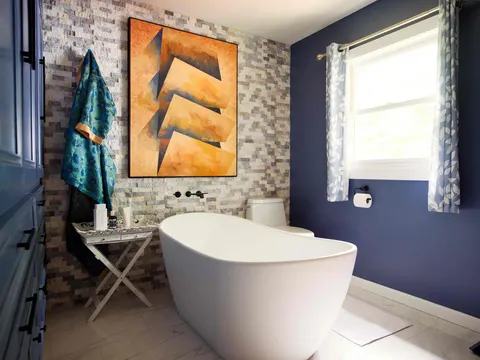
Primary suites, walk-in showers, soaking tubs and custom vanities.
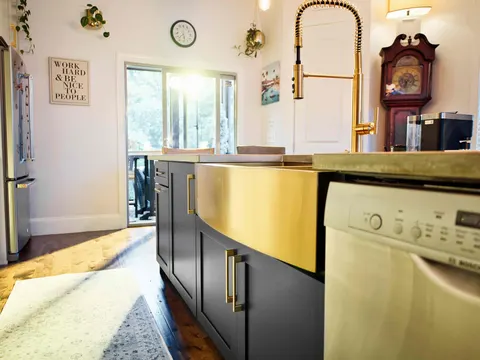
Plumbing for remodels and additions, plus repairs and fixture swaps.
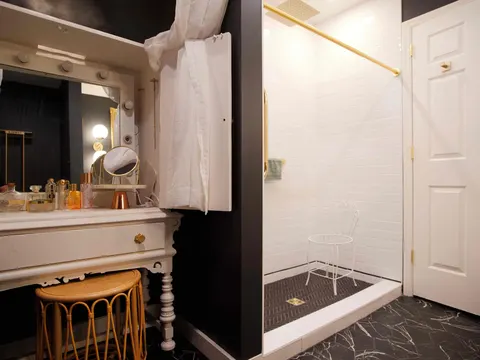
Tile, luxury vinyl and wood floors, with the subfloor done right first.
Jonathon will follow up personally to schedule a visit. The first consultation is complimentary.